
You’ve probably seen plastic bottles lying around in places where there are already dustbins. That’s the confusing part. The problem is not always the lack of bins, it’s the lack of motivation to use them properly.
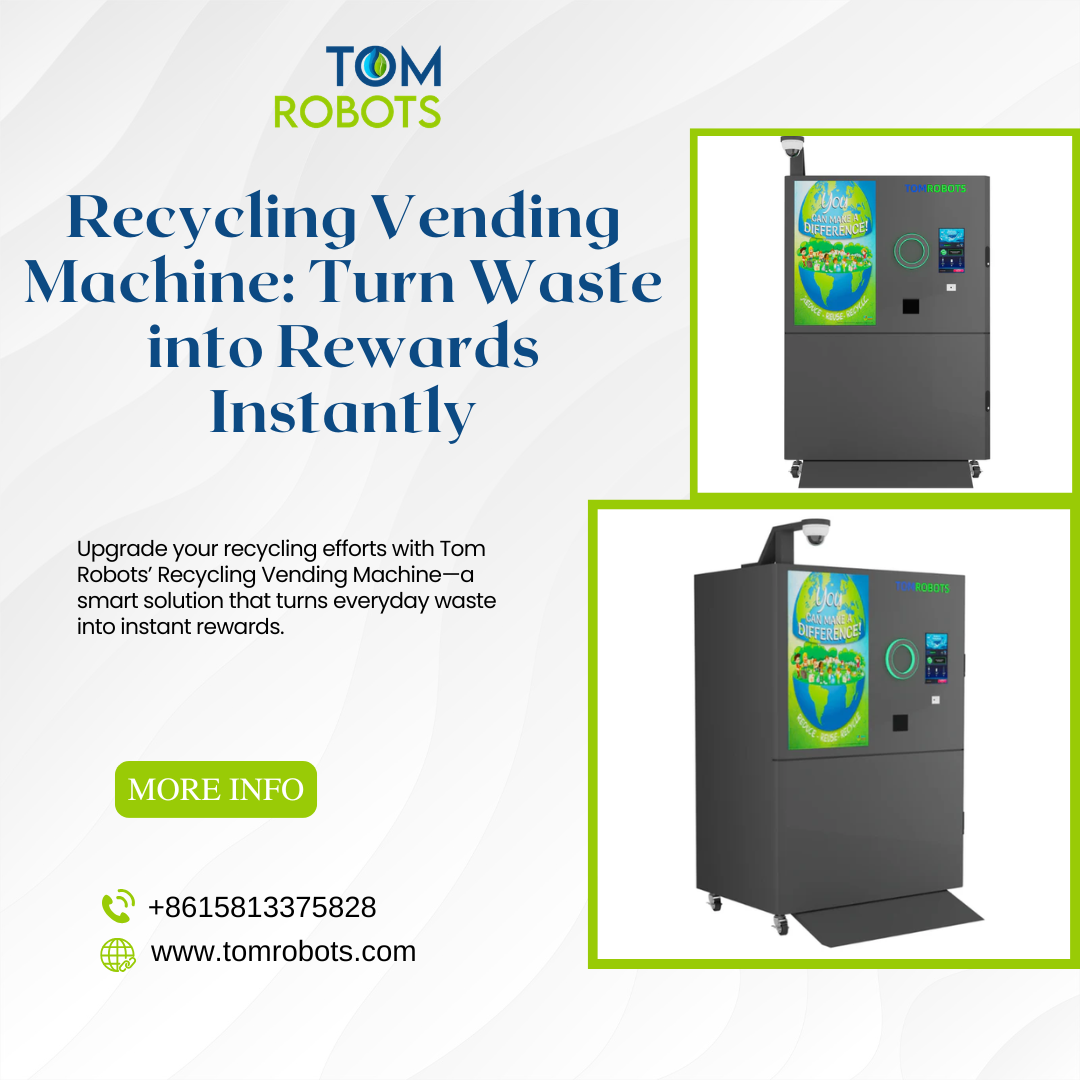
That’s where a recycling vending machine starts making sense. It doesn’t just collect waste, it gives people a reason to care. You drop a bottle, and you get something in return. Simple idea, but it works better than most traditional waste systems.
Why do normal waste systems stop working over time
Most waste management systems rely on people doing the right thing. Separate your waste, throw it in the correct bin, and hope it gets processed properly.
In reality, it rarely works like that. People are in a hurry. They don’t want to think about waste categories. So everything ends up mixed, and once that happens, recycling becomes difficult.
Even in places with proper infrastructure, the gap is in human behavior. That’s the part most systems fail to address.
What makes this machine different
A recycling vending machine changes the interaction completely. It’s not just a bin. It’s a system that connects behaviour with reward.
When someone uses it, they get immediate feedback. It could be a coupon, points, cashback, or even something small like a discount. That small reward changes how people think about waste.
Instead of “I should recycle,” it becomes “I get something if I recycle.”
The psychology behind why it works
Most blogs talk about features, but the real reason this works is behavioral. People respond to instant rewards more than long-term benefits.
You can tell someone that recycling helps the environment, but that feels distant. When they get a reward instantly, the action becomes real.
That’s why these machines work well in places like malls, airports, offices, and campuses. The decision becomes quick and easy. No extra effort, no thinking.
Where you’ll actually see impact
This is not something that only works in theory. You can see the difference clearly in high-footfall areas.
Areas where they are frequently found:
- Shopping centers with individuals carrying plastic bottles
- Metro stations and bus stations with daily passengers
- Corporate offices generate regular amounts of waste
- College premises where there is already awareness
In these locations, waste collection can be systematically carried out without continuous monitoring.
The business side most people ignore
There’s another side to this that often gets overlooked. Value creation is just as important as waste collection.
Materials that have been collected, such as plastic water bottles and aluminum soda cans, are not without value and use. These can be repurposed and become part of the cycle again.
Businesses and municipalities using these machines are not just managing waste. They are building a system that can sustain itself over time.
Why do people search for nearby options?
You’ll often notice people searching for something like "Recycling Vending Machine Near Me." That’s not random. It shows that awareness is increasing, but accessibility still matters.
If people know where to recycle easily, they are more likely to do it. If they have to make an extra effort, most won’t bother.
That’s why placement is very important. The closer these machines are to daily movement areas, the better the results.
Common mistakes in implementation
Not every setup works the same way. Some fail because of small but important mistakes.
A few common ones include:
- Placing machines in low-traffic areas
- Offering rewards that don’t feel useful
- Not maintaining the machine regularly
- Lack of awareness around how to use it
The idea is simple, but execution decides whether it actually works or not.
How cities and brands are using them differently
The application of these devices differs from one location to another. Whereas cities tend to emphasize bulk waste disposal, brands incorporate these devices as part of their awareness campaigns.
For instance, some brands provide discounts using the devices. That encourages people to recycle and also brings them back as customers.
At the same time, municipalities use them to reduce landfill waste and improve recycling rates. Same machine, different purpose, but both are effective.
What changes when this system is used properly
When implemented correctly, the impact is noticeable. You don’t just see cleaner spaces, you see a shift in behavior.
People start thinking before throwing waste. They look for the machine instead of the nearest bin. Over time, that habit becomes normal.
This is where the real value lies. It’s not just about collecting waste, it’s about changing how people interact with it.
A practical way to think about it
Instead of looking at it as a “machine,” it helps to see it as a bridge. It connects waste generation with recycling in a way that feels easy and rewarding.
It removes the friction that exists in traditional systems. People don’t have to think too much. They just act. That simplicity is what makes it effective.
Final thoughts
Waste management has always been a challenge, not because solutions don’t exist, but because they don’t always fit real behavior. A recycling vending machine works because it aligns with how people actually act in everyday situations.
When placed correctly and maintained properly, it becomes more than just a collection point. It becomes part of a habit.
If you’re thinking about improving waste management in a practical way, starting with something like this makes sense. It’s simple, visible, and most importantly, it actually gets used.