
A few months ago, I was sitting near a busy market area waiting for a friend. The place itself was actually decent — good shops, proper roads, food stalls, families walking around. But right next to the bench was a public dustbin that had completely given up on life.
Garbage was hanging out from the sides. Someone had placed a juice cup on top because there was no space left. A dog was trying to pull food packets out from the bottom, and every few minutes the wind carried wrappers across the road.
The funny part? Two sanitation workers came barely an hour earlier.
That’s when you realize the problem in many cities is not always poor cleaning. Sometimes the system itself just can’t handle the amount of waste people generate now.
This is exactly why the solar garbage bin is getting attention in modern urban planning. Not because it looks futuristic. Not because cities want fancy technology. Mostly because regular public bins stop working properly once crowds, food delivery, tourism, and daily waste start increasing beyond control.
And honestly, most cities have already reached that point.
Traditional Bins Were Designed for a Different Time
Years ago, roadside dustbins were enough. Waste generation was lower, fewer packaged products existed, and public spaces were not as crowded as they are today.
Now think about a normal day in any busy city.
Morning tea cups. Food delivery packaging. Plastic water bottles. Shopping bags. Snack wrappers. Disposable plates. Coffee cups. Tissues.
By afternoon alone, one small public area can generate mountains of trash.
The problem is simple. Traditional bins fill too quickly. Once they overflow, people stop trying to use them properly. Nobody wants to stand there balancing garbage like a basketball player trying for a three-pointer.
So they throw it nearby instead.
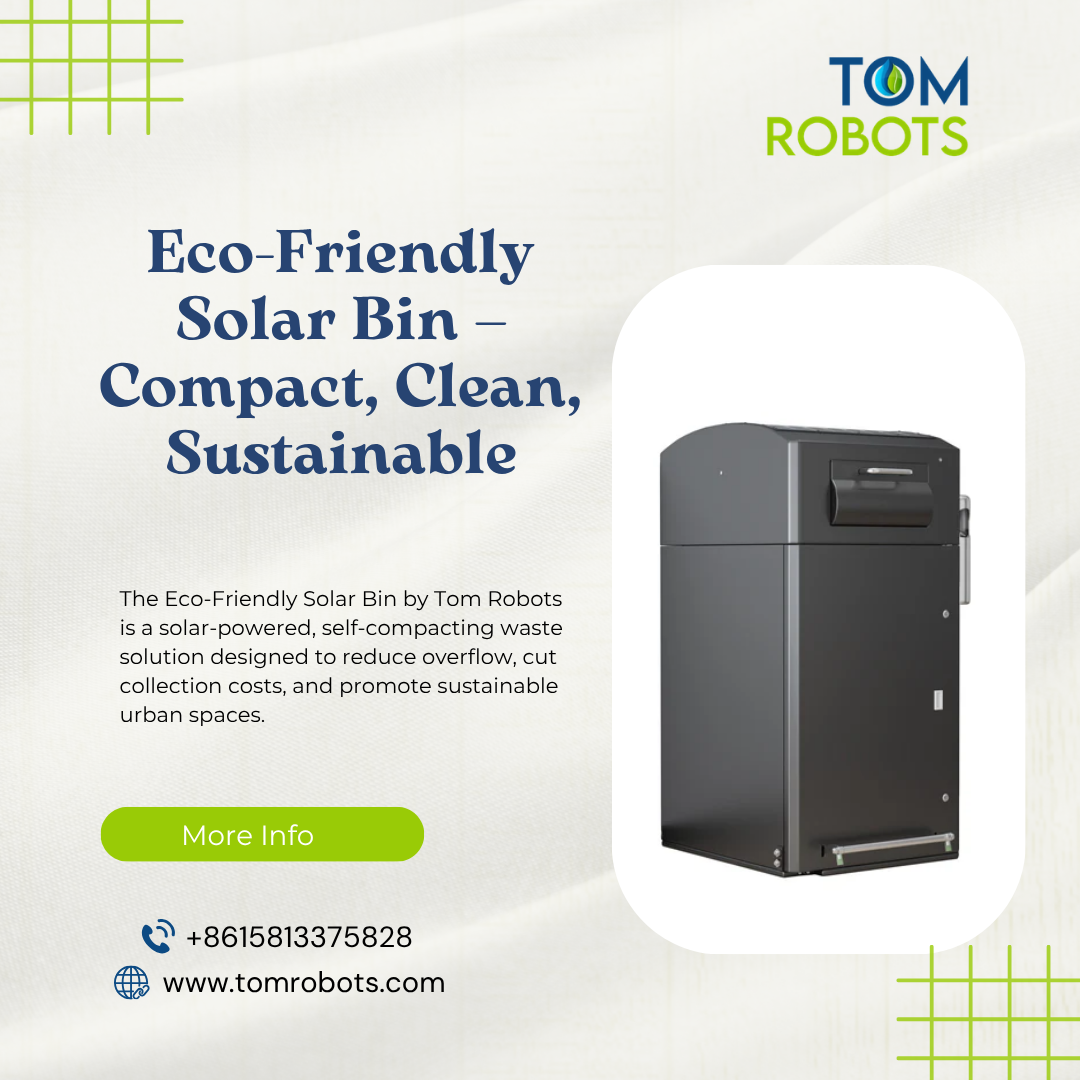
A solar waste bin changes that because it compresses the garbage inside automatically. Instead of waste sitting loosely and eating up space fast, the system pushes it down and creates room for more.
It’s honestly the same logic people use while packing luggage before a trip. Press everything properly, and suddenly the bag fits twice as much.
That extra space matters a lot in crowded urban areas.
Dirty Public Spaces Affect More Than Appearance
People think public waste is mostly an appearance issue. It’s not.
Dirty surroundings slowly affect how people feel in that area.
You can actually test this yourself. Walk through a clean street with organized surroundings and then enter another area where garbage is overflowing from public bins. Even if both places have similar shops or roads, one instantly feels stressful and neglected.
Bad smells, scattered waste, flies buzzing around — all of it changes the atmosphere.
An automatic trash compactor helps avoid that situation because garbage stays contained for longer periods instead of spilling outside after a few busy hours.
And small things matter more than we admit.
Families avoid dirty parks. Tourists remember filthy streets. Customers don’t enjoy eating near overflowing bins. Shop owners complain because public waste affects business too.
A clean environment quietly improves daily life without people even realizing it.
Cities Spend Massive Money Just Moving Garbage Around
Most people see garbage trucks as just another part of city traffic. But behind the scenes, waste collection costs cities a ridiculous amount of money every year.
Fuel. Drivers. Maintenance. Labor. Truck repairs. Route planning.
And sometimes trucks travel all the way to public bins that aren’t even full yet.
That’s where a solar garbage bin actually becomes financially smart. Since it stores compressed waste, collection teams don’t need to empty it constantly.
Some systems even notify sanitation departments once they’re almost full. So instead of blindly following the same route every day, workers can prioritize locations that genuinely need cleaning first.
It sounds basic, but imagine this across thousands of bins in a large city.
Less unnecessary driving means:
- Lower fuel costs
- Fewer truck movements
- Reduced traffic pressure
- Less pollution
- Better use of manpower
Cities already struggle with budget pressure. Saving money while improving cleanliness is pretty rare, which is why these systems are becoming attractive.
Solar Power Makes It More Practical Than People Think
A lot of “smart city” ideas sound cool during presentations but become annoying in real life because they depend too much on electricity, expensive maintenance, or complicated infrastructure.
That’s another reason a solar waste bin works well.
It uses sunlight to power the compacting system. Since public roads, parks, beaches, and open spaces already receive sunlight naturally, the setup becomes easier compared to systems needing continuous electrical wiring.
And let’s be honest — if something is simpler to maintain, cities are more likely to actually keep using it properly.
The use of solar-powered trash systems also connects with the bigger environmental goals cities keep talking about now. Cleaner technology. Lower emissions. Smarter infrastructure.
Usually these terms sound very corporate and distant.
But here, people can physically see the impact in everyday life. Cleaner bins. Cleaner roads. Less overflowing waste.
That makes the idea feel real instead of just another sustainability slogan.
Sanitation Workers Probably Appreciate This More Than Anyone
One thing people rarely discuss is how difficult sanitation work actually is. Imagine handling overflowing garbage during peak summer heat or after heavy rainfall. Workers often spend extra time cleaning scattered waste around bins rather than simply collecting what’s inside. And the moment garbage spreads outside the container, the entire job becomes slower and messier.
An automatic trash compactor reduces that overflow problem significantly. Waste stays compressed inside instead of spilling everywhere after a few hours.
Some smart systems even help workers track which locations fill faster during weekends, festivals, or market rush hours. Technology works best when it genuinely reduces human workload instead of just looking modern. This is one of those cases.
Clean Places Quietly Change Public Behavior Too
There’s also something psychological about public spaces. People become careless in areas that already look dirty. Once trash is scattered around, everyone feels less responsible. But in cleaner environments, people naturally hesitate before littering.
The presence of solar-powered trash systems gives a city a more organized and responsible feeling. Citizens notice when authorities actually invest in keeping public spaces clean.
And surprisingly, better surroundings often encourage better public behavior without anyone needing long awareness campaigns. Humans copy environments more than rules.
Final Thoughts
Modern cities produce more waste than older systems were designed to handle. That’s the reality. And simply increasing the number of garbage trucks or cleaning staff won’t solve everything forever.
The solar garbage bin offers a smarter way to manage growing urban waste without creating constant pressure on workers, fuel budgets, and public cleanliness systems.
It helps cities stay cleaner for longer, reduces unnecessary waste collection trips, supports renewable energy use, and improves how public spaces feel for everyday people. Because honestly, nobody remembers a city for its dustbins. But everyone remembers whether the city felt clean or dirty while walking through it.