
If you’ve spent time in any busy city, you’ve probably seen both sides of the problem.
One street has an overflowing bin, garbage spilling out, people avoiding walking near it. A few blocks away, another bin is almost empty—but it still gets collected on schedule.
That’s the issue. Not just waste, but how badly it’s managed.
Cities today don’t just need more bins or more trucks. They need smarter systems. That’s where solutions like the Solar Smart Bin With Compactor start making real sense.
The Problem Isn’t Just “Too Much Waste”
It’s easy to say cities are producing more garbage—and they are. But the bigger problem is that the system handling it hasn’t evolved at the same pace.
Most waste collection still works on fixed timing. Trucks follow the same routes every day. It doesn’t matter if a bin is full, half-empty, or completely empty.
That creates two very real issues:
- Some bins overflow because they fill up faster than expected
- Others are cleared too early, wasting fuel and effort
Over time, this leads to higher costs, poor cleanliness, and frustration for both residents and city authorities.
What Changes with Smart Waste Management?
The biggest shift is simple: decisions are based on actual data, not assumptions.
Instead of guessing when a bin needs to be emptied, smart systems track it. Sensors inside the bin measure how full it is and send updates.
So now, collection teams know where to go and when.
This might sound like a small upgrade, but it changes how the entire system behaves. And when you combine this with something like a Solar Smart Bin With Compactor, the efficiency improves even further.
Why the Solar Smart Bin With Compactor Stands Out
This isn’t just a “smart bin” for the sake of it. It solves multiple problems at once.
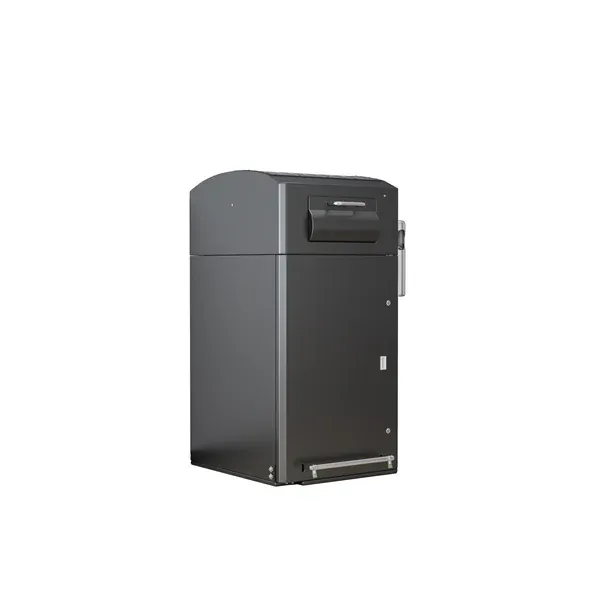
A Solar Smart Bin With Compactor uses solar panels to power a compaction system inside. As waste is added, it gets compressed. That means the same bin can hold much more garbage than a regular one.
So instead of filling up quickly and overflowing, it lasts longer.
At the same time, it keeps tracking how full it is. Once it reaches a certain level, it sends a signal for collection.
In real-world terms, this means:
- Fewer overflows in busy areas
- Less frequent collection needed
- No dependency on external electricity
- Better use of each bin’s capacity
That’s why solar compacting bins are now being used in places where waste builds up quickly.
Cleanliness Stops Being a Daily Struggle
Overflowing bins are not just unpleasant—they’re a constant complaint in most cities.
And honestly, it’s not always because the system is careless. It’s because the system doesn’t know what’s happening in real time.
With smart bins, that gap disappears.
Instead of reacting late, the system responds early. The bin itself “tells” when it needs attention. That small shift makes a big difference in keeping public spaces clean.
Collection Routes Start Making Sense
Think about a waste collection truck moving through a city. It stops at every bin, whether it needs to or not.
Now imagine if it only stopped where it was actually needed.
That’s what smart systems enable.
Routes become flexible. Trucks avoid unnecessary stops. Time and fuel are saved without compromising cleanliness.
It’s not about working harder—it’s about working smarter.
The Cost Factor No One Can Ignore
Waste management isn’t cheap. Cities spend heavily on fuel, labor, and maintenance.
And a big part of that cost comes from inefficiency.
When trucks make unnecessary trips or follow poorly planned routes, expenses go up without adding real value.
Smart systems reduce that waste—literally and financially.
A solar bin also removes the need for electrical connections, which might seem like a small thing but adds up across multiple locations.
Sustainability Becomes Practical, Not Just a Goal
A lot of cities talk about sustainability. But in waste management, it often comes down to execution.
If collection systems are inefficient, they burn more fuel. More fuel means more emissions.
Smart systems reduce that by cutting down unnecessary movement. And since a solar compacting bin runs on renewable energy, it aligns naturally with environmental goals.
It’s not just about being eco-friendly on paper—it actually works on the ground.
People Notice the Difference, Even If They Don’t Know Why
Most people don’t think about waste systems unless something goes wrong.
But they do notice clean streets. They notice when bins aren’t overflowing. They notice when public spaces feel maintained.
Smart waste systems quietly improve that experience.
There’s no big visible change—but the result is obvious.
Where These Systems Actually Make the Most Impact
Not every area needs the same level of waste management. Some places generate waste faster than others.
You’ll see the biggest difference in:
- Busy markets with constant activity
- Metro stations where footfall never stops
- Parks during weekends or events
- Commercial areas with food outlets
In these spots, a Solar Smart Bin With Compactor helps manage both volume and timing without needing constant monitoring.
Why Old Systems Are Hard to Rely On Now
The main issue with traditional systems is that they’re rigid.
They follow schedules, not situations.
There’s no flexibility, no real-time awareness, and no way to adjust quickly. That’s why problems like overflow keep happening.
Smart systems don’t just improve efficiency—they fix this fundamental limitation.
Looking Ahead
Cities aren’t going to slow down. Waste generation will continue to increase.
So the question isn’t whether systems need to improve—it’s how quickly they can adapt.
Solutions like solar bins are already proving that small technological upgrades can solve long-standing problems.
And over time, these systems will likely become standard, not optional.
Final Thought
Waste management doesn’t need more effort—it needs better thinking.
The Solar Smart Bin With Compactor works because it solves real problems in a practical way. It reduces overflow, cuts unnecessary costs, and makes the entire system more responsive.
For modern cities trying to stay clean and efficient, that’s exactly the kind of change that matters.
