
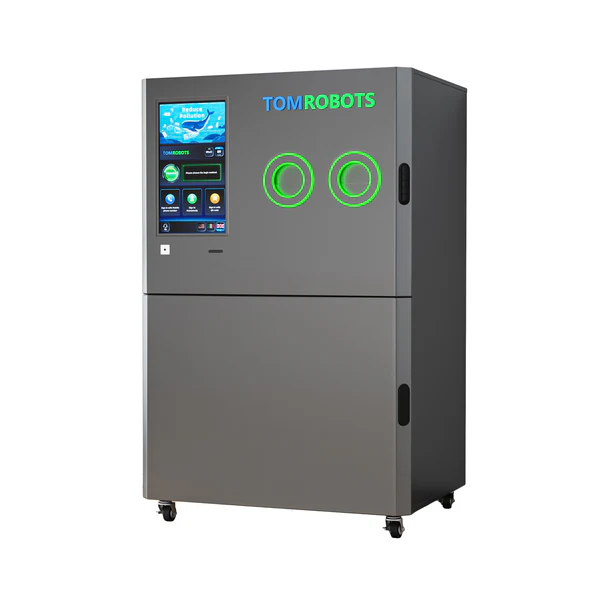
A machine that pays or rewards people for returning empty bottles and cans works in reverse of a normal vending machine, hence the technical name. A Recycling Vending Machine works exactly that way, and it's becoming a common sight in schools, malls, and public spaces looking to make recycling easier.
How The Machine Actually Works
A reverse vending machine scans whatever you put in, a plastic bottle, an aluminum can, a glass jar, and checks if it's something the machine actually accepts. Once it's confirmed, the machine sorts the item, compacts it down, and stores it neatly until it's time for pickup.
Most machines give you something back for the trouble. Sometimes it's a bit of cash. Sometimes it's a store voucher. Sometimes it's points toward a loyalty program. That's really what sets these machines apart from a regular recycling bin. People actually bring their bottles back instead of just tossing them in the trash, because there's something in it for them.
What Happens Inside The Machine
Once the machine accepts an item, it crushes or compacts it right away. That saves space inside, so the machine can hold a lot more before someone has to come empty it out. That matters a lot in busy spots like schools or shopping centers, where bottles pile up fast.
Some of the more advanced machines go a step further and sort materials as they come in, keeping plastic separate from aluminum, for example. That makes life easier down the line, since everything arrives already sorted instead of mixed together in one pile.
Where These Machines Get The Most Use
Places with a lot of foot traffic tend to get the most out of one of these machines. Shopping malls. University campuses. Train stations. Office buildings. Anywhere people are constantly coming and going with a bottle or can in hand.
Someone typing "Recycling Vending Machine Near Me" into their phone is usually after this exact thing, an easy, rewarding way to recycle, instead of waiting around for curbside pickup or dropping bottles into a plain bin that gives nothing back.
Why Incentives Matter For Recycling Rates
People recycle more when there's some kind of payoff, even a small one. A few cents per bottle doesn't sound like much on its own, but the numbers tell a different story. Places with deposit return programs consistently see higher return rates than places without them.
Machine size matters here too. A small campus café doesn't need the same capacity as a packed train station. Getting that size right means you're not paying for space you'll never use, and you're also not stuck emptying a machine every few hours because it's too small for the job.
What To Look For In A Good Machine
A good machine gets the material right almost every time. If it keeps rejecting valid bottles or cans, people give up on it fast, and that defeats the whole point. Look for machines with reliable sensors, quick recognition, safety features like anti-collision protection, and a simple interface people don't have to think twice about using.
Support matters just as much as the machine itself. A machine that keeps breaking down, or one with no nearby technical help when it does, turns into more of a headache than a benefit for whoever's hosting it.
The Bigger Picture For Recycling Programs
These machines are part of something bigger, the push toward smarter, more sustainable cities. Technology is stepping in to make everyday habits like recycling just a little bit easier. Pair one of these machines with a solar-powered compacting bin in the same spot, and you've got a setup that handles both the rewarded returns and the regular waste, all in one place.
As more places adopt formal deposit return systems, these machines are only going to become more common, especially in busy public spots where high-volume recycling makes the biggest difference.
Choosing Between Machine Types
Not every reverse vending machine is built the same way. Some models handle a single material type, like plastic bottles only, while others accept a mix of plastic, aluminum, and glass in one unit. Businesses considering a Reverse Vending Machine for sale should think about what materials their location generates most, since a machine built for the wrong mix of materials ends up underused.
Final Thoughts
A recycling vending machine turns an everyday habit into something a little more rewarding, using sensors to identify, sort, and compact bottles and cans while giving users an incentive to bring them back instead of throwing them away. Choosing the right model comes down to matching material type and capacity to where it'll actually be used. At Tom Robots, we manufacture reverse vending machines and solar compacting bins designed for schools, businesses, and public spaces working toward smarter, more sustainable recycling programs.