
If you’ve ever walked past a bin area that looks fine in the morning but completely overloaded by evening, you already know the real problem in waste management—speed. Waste doesn’t wait, but most systems still work on fixed pickup cycles that don’t match reality.
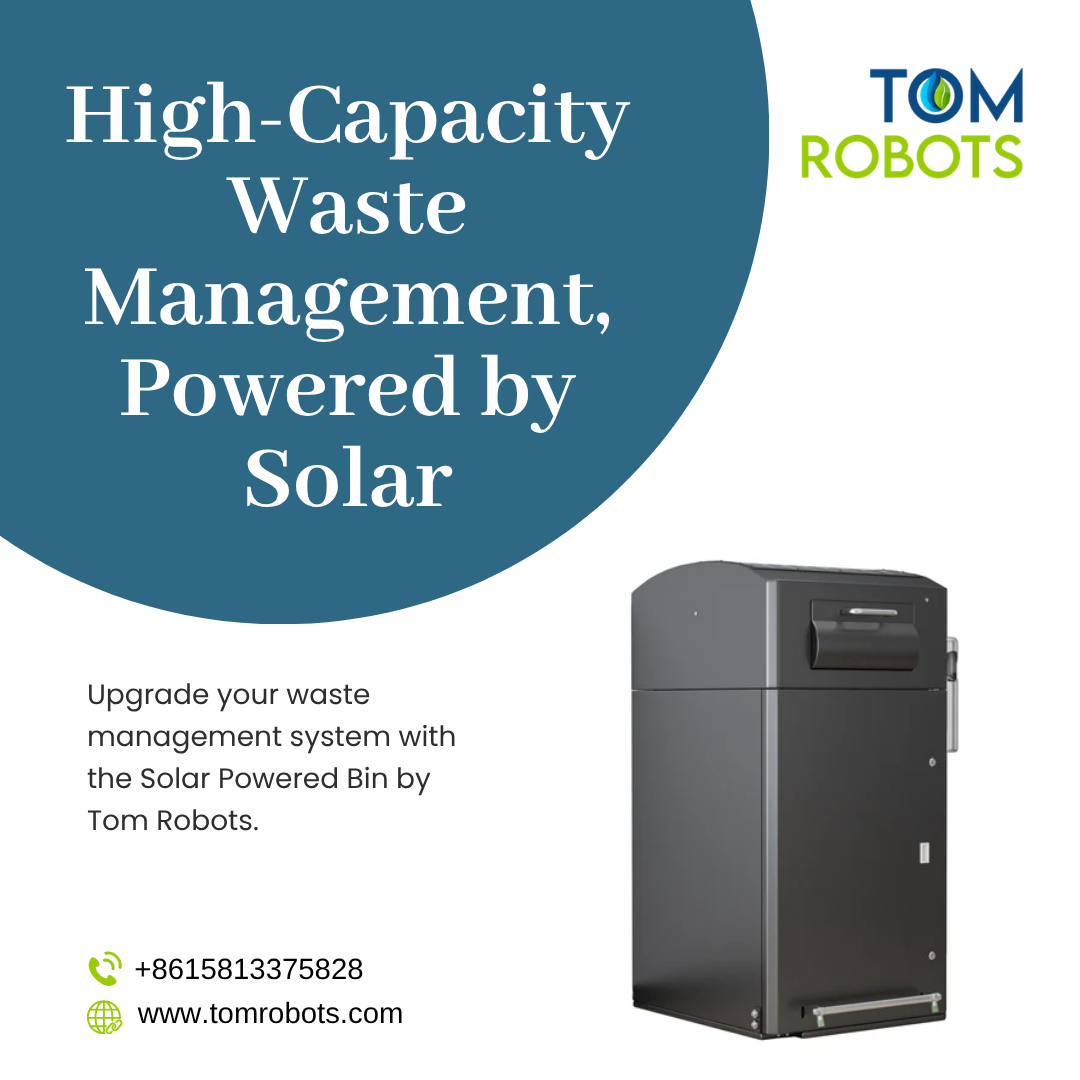
This gap is exactly where newer solutions are starting to matter. The Intelligent Solar Garbage Compressor is designed to reduce waste volume right inside the bin, instead of relying only on collection trucks to manage overflow after it happens. It feels like a small shift, but in real use, it changes how clean an area stays throughout the day. It quietly compresses waste using solar power, which means bins stay usable for much longer without constant emptying.
Why Traditional Waste Systems Struggle Today
Traditional waste systems were never built for today’s volume. More people, more packaging, more daily consumption—yet the same basic bins and schedules. That’s where things start breaking down in real life.
A solar powered trash compressor helps bridge this gap by reducing the actual space waste takes up. Instead of filling up loosely, garbage gets compacted, so bins don’t reach full status too quickly.
A smart solar waste bin also makes a noticeable difference in crowded places. Think about markets or station areas where waste keeps coming in non-stop. Even if cleaning staff are active, bins still overflow between cycles.
They add stability to this chaos. It doesn’t change how much waste people generate—but it definitely changes how that waste behaves inside the system.
What Changes When Solar Compression Is Introduced
The first thing people usually notice isn’t technical—it’s visual. Areas that used to look messy around bin points suddenly feel more controlled. The system gradually compresses waste layers as they accumulate, reducing overall volume inside the bin. It’s not dramatic or loud—it just quietly reduces volume in the background. Over a few days, the difference becomes obvious.
They also reduces those sudden bin full situations that usually happen at the worst possible time. Instead of emergency cleaning, things stay manageable for longer.
A smart solar waste bin also changes user behavior slightly. People subconsciously start noticing cleaner bins and tend to dispose waste more properly when the area doesn’t look neglected.
The Real Question: Is Your System Even Ready?
This is where most people get it wrong. They think upgrading is just about buying new bins, but readiness matters more than the product itself.
If your current solar powered waste management bin setup already struggles with timing, overflow, or inconsistent pickup, adding advanced systems without structure won’t magically fix everything. They performs best in systems that already have at least basic discipline—regular collection, defined placement points, and some level of monitoring.
They also need the right environment. If it’s placed in shaded corners, hidden spots, or places people don’t naturally use, the system won’t show its full value. So the real question isn’t should we install it? It’s more like is our current flow organized enough to support it?
Key Signs Your Waste System Needs an Upgrade
In real-world use, waste management improvements don’t always come from big transformations. Sometimes it’s just fewer overflow events or less emergency cleanup calls.
A Solar Powered Trash Compressor reduces how often bins become visually full, which immediately improves the look and feel of public areas.
It helps staff breathe a little easier too. Instead of reacting to complaints or sudden overflow, they can follow a more predictable routine. It also helps in places where waste is unpredictable but constant—like food streets, bus stops, and public parks. Even if people don’t notice the system working, they definitely notice the cleaner surroundings.
When and Where Solar Compression Systems Actually Work Best
Not every place behaves the same. Some areas generate steady waste, while others have sudden spikes. That’s why placement matters so much.
In shopping areas, a solar powered waste management bin helps handle peak-hour pressure when waste generation suddenly increases. Without compression, bins usually fail during these spikes.
At transport hubs, it reduces the need for constant emptying during busy hours. That alone reduces pressure on cleaning teams.
This is also useful in residential societies where waste is predictable but continuous. Instead of frequent overflow, waste stays controlled inside the system for longer periods.
Important Limitations You Should Consider Before Installation
No system is perfect, and this one is no exception. A Smart Solar Waste Bin still depends heavily on correct installation and proper usage patterns. If sunlight exposure is weak, performance drops. If placement is wrong, people may not even use it properly. These small details matter more than people expect.
A solar powered waste management bin also requires upfront investment, which can feel high compared to traditional bins. But the return usually comes later through reduced transport and lower operational stress. They also needs basic maintenance checks from time to time. It’s not complicated, but ignoring it can slowly reduce performance.
Final Thoughts
Waste problems don’t usually come from a lack of effort—they come from systems that are still working like nothing has changed outside. And in most places, a lot has changed.
The Intelligent Solar Garbage Compressor represents a shift toward handling waste smarter at the source instead of constantly reacting after bins overflow. It doesn’t replace planning or discipline, but it definitely reduces pressure on both.
If your current system is constantly struggling to keep up, the real upgrade isn’t just new equipment—it’s whether your setup is ready for a smarter way of handling waste. Take a closer look at your daily flow, because sometimes the issue isn’t effort it’s structure.