
You know that moment when you walk through a park or market area and immediately think, “This place used to look cleaner”? Usually, it starts with something small.
One overflowing trash bin. A few cups sitting beside it because people had nowhere else to throw them. Then the wind pushes wrappers across the sidewalk, birds get into the garbage, and by the end of the day the whole place suddenly feels messy and neglected.
And honestly, most people assume it happens because people are careless. Sometimes that’s true. But a lot of the time, the bigger issue is simply that regular public bins fill up way too fast.
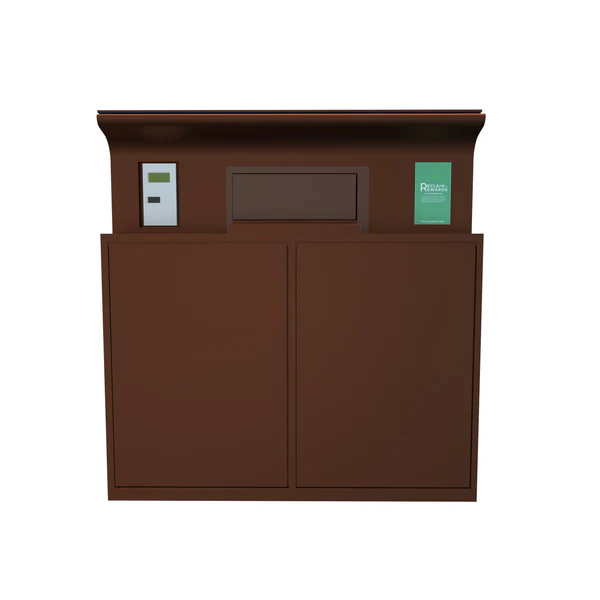
That’s exactly why many cities and commercial spaces have started using smarter waste systems. An eco smart solar Waste Bin is basically built to handle the kind of waste volume normal public bins struggle with every single day.
Public Bins Usually Work Fine Until They Don’t
Early in the morning, most public bins look completely normal. Then lunchtime hits. Or a weekend crowd arrives. Or a local event brings hundreds of extra people into one area. That’s when things change fast.
A regular bin that looked half-empty two hours earlier suddenly cannot keep up anymore. People still try using it, trash starts stacking around the sides, and eventually nobody even bothers aiming properly because the area already looks untidy.
You’ve probably seen this happen outside train stations, food markets, stadiums, or busy parks. And the difficult part is that waste collection teams cannot always respond instantly. Trucks usually follow scheduled routes, not real-time conditions. So one location might get emptied too early while another overflows long before pickup arrives.
The Smart Bin Creates More Space Automatically
The first time most people hear about these bins, they focus on the solar panel. But honestly, the compaction system is what really changes things. Inside the container, the trash gets compressed automatically once it reaches a certain level. So instead of filling up normally, the waste gets pushed down to create extra storage space inside.
That means the bin can continue holding garbage long after a regular container would already be overflowing onto the sidewalk.
A solar energy waste compactor can usually store several times more waste than a standard public bin before collection becomes necessary. And in crowded places, that extra capacity matters a lot more than people realize.
Cleaner Spaces Quietly Affect Human Behavior
This part is interesting because it has less to do with technology and more to do with people. Most people behave differently in clean spaces.
If a street already has litter everywhere, people become less careful themselves. But when an area feels maintained properly, there’s this unspoken pressure to keep it that way. It’s strange, but you can actually notice it.
One overflowing bin often turns into a messy corner very quickly because people stop expecting cleanliness there. But when waste stays controlled, the surrounding space usually stays cleaner too.
That’s one reason an eco smart solar waste bin helps communities beyond simply storing trash. It prevents the overflow problem before the area starts looking neglected.
Fewer Overflowing Bins Means Fewer Bad Smells
Nobody enjoys walking past garbage during hot weather. Once public bins overflow, smells spread quickly, especially around food waste. Then insects show up. Birds start pulling trash apart. In some places, rodents become a problem too.
Sealed compaction systems help reduce a lot of that because the waste stays contained inside the unit instead of spilling outward.
People may not consciously think about it while walking through a clean public area, but they definitely notice when sanitation is poor. Cleanliness changes how comfortable public spaces feel.
Collection Trucks Don’t Need to Stop Everywhere
Most people never really think about how waste collection works behind the scenes. Garbage trucks drive huge routes every day, checking containers across entire cities. Sometimes workers arrive at bins that are barely half-full simply because the schedule says it’s time. Meanwhile, another location may already be overflowing somewhere else. Smart bins help fix some of that inefficiency.
Many models now include sensors that track fill levels automatically. If a container is nearing capacity, sanitation teams get notified. If it’s still mostly empty, the collection can wait. That saves fuel, labor, and unnecessary trips.
A Solar Energy Waste Compactor basically allows waste teams to work smarter instead of just following rigid routes blindly every single day.
Solar Power Makes Outdoor Use Easier
One practical advantage people often overlook is that these systems do not depend heavily on external electricity. The solar panel charges the unit during the day and powers the compaction mechanism automatically.
That becomes really useful in outdoor areas where installing electrical wiring would be difficult or expensive. Parks, beaches, walking trails, and public squares all benefit from systems that can operate independently. And honestly, it just makes sense to use sunlight for equipment that sits all day outdoors anyway.
Busy Public Areas Benefit the Most
Not every location needs advanced waste systems immediately. A quiet residential street probably manages fine with traditional bins most of the time.
But crowded areas are different.
Places like:
- sports stadiums
- shopping districts
- university campuses
- train stations
- tourist attractions
- public parks during weekends
generate huge amounts of waste within short periods.
That’s where higher-capacity smart bins become genuinely useful rather than simply “modern-looking.”
An Eco Smart Solar Waste Bin helps these places stay cleaner longer even during heavy public use.
They’re Not Perfect, But They Solve Real Problems
Of course, these systems still have downsides. They cost more upfront than ordinary bins. Sensors occasionally need maintenance. Solar panels still require cleaning and servicing over time.
And no smart technology can completely solve littering if people intentionally ignore public cleanliness. But compared to constantly overflowing traditional bins, these systems solve several very real everyday problems cities struggle with regularly.
Conclusion
Most people only notice waste systems once something goes wrong. Overflowing bins, scattered garbage, unpleasant smells — those things change how entire public spaces feel surprisingly quickly. That’s really why smarter waste systems matter.
An Eco Smart Solar Waste Bin helps communities stay cleaner by controlling overflow, improving waste-collection efficiency, reducing public mess, and making busy spaces feel more comfortable for everyone. And honestly, even though it may seem like a small piece of infrastructure, cleaner public spaces often start with simple systems quietly working better in the background every day.