
Most people are not trying to ignore recycling. Honestly, a lot of the time they are just in a hurry.
Someone finishes a drink while walking through a mall, looks around for a bin, and throws the bottle into whatever container appears closest. If recycling feels confusing or inconvenient, people usually stop thinking about it after a few seconds and move on with their day.
That is one reason modern recycling systems are becoming more common in public places now. They make disposal easier without asking people to completely change their routine first.
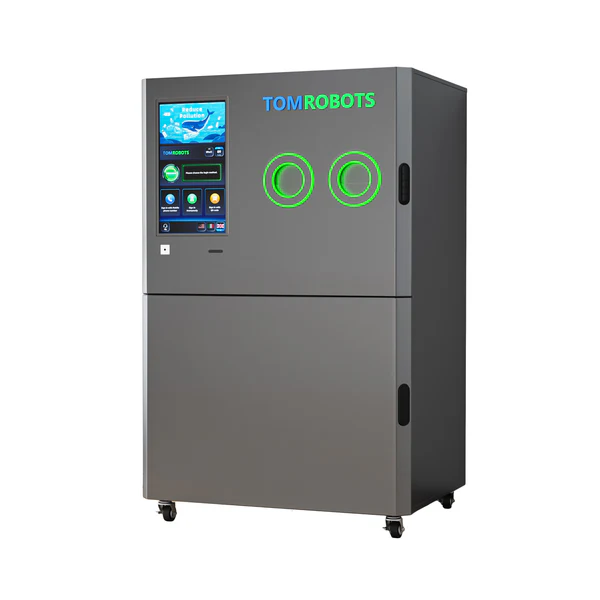
A properly placed bottle recycling machine setup does more than collect plastic or cans. It quietly changes behavior over time. Once recycling starts feeling quick and simple, people naturally participate more often without really forcing themselves to do it.
And honestly, most long-term habits begin exactly like that.
People Usually Choose the Easier Option
This is just normal human behavior.
If somebody has to stand beside three confusing bins trying to figure out where one bottle belongs, there is a good chance they will throw it into the general waste instead. Not because they do not care. Mostly because they do not want to spend extra time thinking about it.
Modern recycling systems reduce that confusion quite a bit.
People insert a bottle, the machine accepts it, and the process is finished within seconds. No guessing. No complicated sorting instructions. That simplicity matters more than people realize honestly.
Sometimes making something easier changes behavior faster than awareness campaigns do.
Recycling Feels More Interactive Now
Older recycling setups felt very passive. People dropped items into containers and walked away without seeing any real result from it.
Newer systems feel different somehow.
Some now offer reward points, discount coupons, or small digital incentives after someone recycles properly. Others display how many bottles were collected that day or how much waste has already been diverted from landfills.
A modern eco-waste collection machine often feels more engaging because people receive immediate feedback instead of feeling disconnected from the process.
And honestly, even small rewards make people surprisingly motivated sometimes.
Cleaner Public Spaces Encourage Better Habits
This part gets overlooked a lot.
When public bins overflow or waste starts piling up nearby, people become less careful afterward too. Once an area already looks messy, littering somehow feels more acceptable.
Cleaner recycling stations usually create the opposite effect.
People notice organized disposal areas immediately. Shopping centers, schools, airports, and parks often stay cleaner once proper collection systems are introduced because waste gets managed more consistently.
And honestly, people tend to respect cleaner environments more naturally.
Visibility Makes Recycling Feel Normal
A lot of recycling habits start simply because people see the systems regularly.
If recycling stations are hidden somewhere difficult to find, most people will not actively search for them. But when collection machines appear near entrances, food courts, transport areas, or office exits, people begin noticing them constantly during daily routines.
That repetition matters.
A visible bottle recycling machine setup quietly reminds people about recycling without anybody needing to lecture them about environmental responsibility every day.
And over time the action starts feeling automatic instead of something requiring extra effort.
Schools Are Seeing New Changes
Students usually respond quickly to interactive systems.
Many schools now place modern recycling stations near cafeterias or common areas because students engage with them much more compared to regular waste bins. Some even turn recycling participation into friendly competitions between classrooms.
That small sense of involvement changes things.
Children who begin recycling regularly at school often continue the habit outside school too. Sometimes they even remind parents about proper disposal at home afterward, which is honestly pretty common now.
And once younger students start viewing recycling as normal behavior, the habit usually sticks longer.
Offices Are Improving Recycling Practices
Workplaces generate far more recyclable waste than many people realize. Coffee cups, plastic bottles, food packaging, shipping materials — it adds up quickly across large offices. Without proper systems nearby, most of that waste ends up mixed together.
Modern recycling stations make disposal easier during busy workdays because employees do not need to stop and think too much about the process. A well-placed eco-waste collection machine near break areas or exits quietly improves participation without disrupting routines.
And honestly, convenience matters a lot in office environments where people already feel mentally overloaded most of the day.
Technology Helps Waste Management Work Better
Modern recycling systems are not only collecting bottles anymore. Many also help organizations track usage patterns and manage collection more efficiently.
Some systems monitor fill levels automatically. Others help identify locations where recycling participation stays low or where waste overflows happen most often. That information actually helps improve overall waste planning.
A few improvements organizations often notice are:
- Cleaner disposal areas
- Better recycling participation
- Fewer overflowing bins
- More organized waste collection schedules
- Reduced mixing of recyclable materials
Those operational improvements may not sound exciting initially, but they affect everyday behavior quite a bit.
People Respond Better to Simple Systems
Complicated instructions usually reduce participation. That happens in almost everything honestly. If somebody feels unsure where an item belongs, they usually choose the fastest option available instead of the correct one.
Modern recycling systems work better because they remove part of that uncertainty. Clear labeling, automatic sorting, or guided disposal steps help people make decisions quickly without overthinking. And honestly, once recycling stops feeling inconvenient, participation improves naturally.
Small Habits Usually Create Bigger Change
Most environmental habits do not appear overnight. People rarely wake up one day and suddenly become extremely conscious about waste disposal. Usually the change happens gradually through small repeated actions during normal routines.
Somebody recycles one bottle today. Another tomorrow. Then eventually it becomes automatic without much thought.
That repeated exposure matters more than dramatic campaigns sometimes. A properly placed bottle recycling machine system quietly supports that daily repetition in a way many traditional disposal methods never really did.
Businesses Are Paying More Attention Now
Customers notice environmental efforts more than businesses sometimes expect. Being clean at recycling stations inside a mall, restaurant, airport or entertainment venue leaves a positive impression even if people don't say so. Well-designed waste management facilities create a more responsible overall environment.
It is an understanding that businesses now have. Customers are interested in sustainability, cleanliness and responsible waste management in their daily lives, which is why many are investing in the infrastructure that can be seen. And honestly, people usually appreciate businesses that make small, responsible choices feel effortless.
Final Thoughts
Modern recycling systems are doing more than collecting waste. They are subtly modifying their daily lives, making recycling easier, faster and more visible in everyday activities. Convenience is key.
Removing garbage often, making it easier to dispose of it, creating interactive systems, and increasing accessibility all promote the habit of regularly recycling without the need for frequent reminders.
And in fact, environmental improvement that lasts over time begins with simple life changes that individuals can maintain on a daily basis.