
Every day, recyclable waste is thrown away with good intentions—but not always in the right way. The problem isn’t awareness, it’s the system itself.
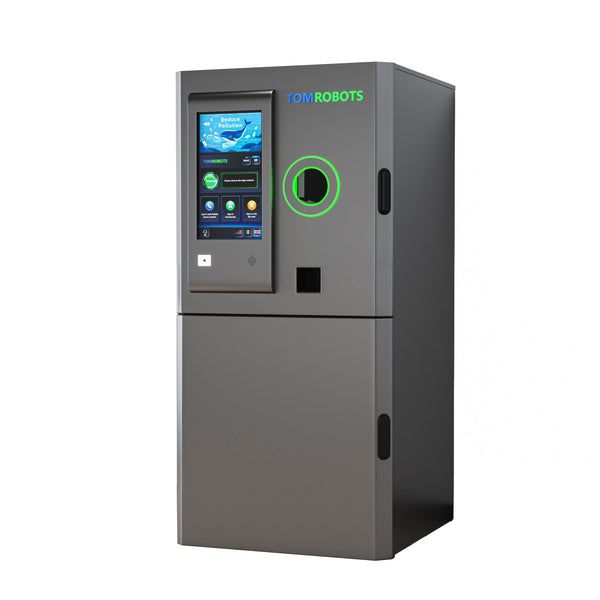
Reverse Vending Machine (RVMs) make recycling easier by removing confusion. Instead of sorting waste manually, people simply insert bottles or cans into the machine, which automatically collects and processes them correctly.
This reduces mistakes, improves recycling quality, and encourages more people to take part. In the end, RVMs make recycling simpler, faster, and more effective.
The Hidden Problems in Traditional Recycling
Many recycling systems are struggling with low participation rates as well as poor waste segregation. Many people throw recyclables into the general trash because of inconvenience or inexperience. Even if they do to make it work, contamination -- such as mixing food waste with plastic can make entire batches of materials non-reusable.
Inefficiency can lead to higher processing costs as well as lower efficiency and recovery rates. As time passes, it deters both businesses and municipalities from further investing in sustainability-related initiatives.
How Smart Automation Changes Behavior
Reverse vending machines are an easy but powerful change to reward users for recycling. If it's a little cashback, discount coupon or points for loyalty, this reward ensures that you are a regular participant.
It also eliminates the guesswork. It allows users to insert cans or bottles and the system recognizes the items, sorts them, and process them in a matter of minutes. This makes sure the recyclable material is taken in a neat and usable shape.
In places with high traffic, like airports, malls or office spaces, these machines serve as a visible reminder that recycling can be effortless and profitable.
Key Ways It Improves Recycling Efficiency
Better Waste Segregation
When customers engage with recycling vending machines, they scan the recyclables and are sorting in a way that is automatic. This decreases the risk of contamination dramatically which results in better-quality recycled material.
Increased Participation
People are much inclined to reuse if there is a immediate reward. Even small rewards can lead to massive behavioral changes over the course of time.
Real-Time Data Tracking
Modern technology collects valuable information, such as how the amount of waste is gathered which type of waste is collected and at what time. This allows organizations to improve their recycling strategies as well as identify patterns.
Reduced Operational Costs
By reducing the need for manual sorting and contamination, municipalities and businesses can reduce costs for processing and increase the overall efficiency.
Real-Life Impact in Urban Spaces
Imagine a bustling shopping mall where hundreds plastic containers are recycled each day. Without a system that is organized many of them end up as mixed garbage. The introduction of an automated reverse vending machine into the same space can alter user behavior in a matter of minutes.
The shoppers begin to deposit their bottles in lieu of throwing them away, enticed by the little rewards. In time the mall experiences an increase in recycling rates, as well as the reduction of the cost of waste management.
In the same way, metro stations have adopted these methods to manage huge amounts of waste effectively while also promoting sustainable travel among passengers.
Practical Tips to Maximize Results
The simple act of installing the machine won't be enough. To maximize the efficiency of recycling, there are a few steps that can have a significant impact:
- Install machines in areas with high visibility to encourage their frequent use
- Provide relevant incentives that match user preferences
- Help users learn by giving simple instructions close to the machine
- Check data frequently to ensure optimal placement and performance
Together when they are combined, these actions result in a seamless ecosystem of recycling which benefits both the operators and users.
Supporting a Circular Economy
One of the most significant benefits that these technologies offer is the fact that they help towards a circular economic system. In ensuring that the materials such as aluminum and plastic are disposed of in a clean condition which allows them to be used efficiently in the production of.
This assists in decreasing the demand of new materials, and the environmental footprint in general. Eventually, these systems establish a green cycle where the waste products are used and reused over a period of time instead of disposing of them.
Why Businesses Are Adopting This Technology
Today, organizations face increased pressure to achieve sustainability goals. Reverse vending machines are a self-explanatory and efficient way to demonstrate to them that they are environmentally responsible.
It also boosts brand recognition. Customers and guests appreciate companies that take tangible steps towards sustainability, particularly in the event that they're invited to take part in the initiative.
From chain stores through corporate campuses, the adoption is increasing because the advantages are environmental and operational.
Final Thoughts
Improved recycling efficiency isn't just about improved systems; it's about greater participation. With a mix of incentives, automation, and an intelligent design, these machines will help to make the recycling process more efficient and accessible to everyone.
With the growing number of businesses striving to find feasible methods of reducing their waste and enhancing the interaction with their customers, such solutions are gaining relevance. Firms like Tom Robots are contributing towards this transformation by offering innovative ideas like the Bottle Recycling Machine which is efficient and at the same time sustainable.