
Most businesses don’t think much about waste in the beginning.
Garbage gets collected, bins get emptied, and work continues normally. Nobody really pays attention to cardboard sitting in corners or plastic wrapping piling up near storage areas. It just feels like part of daily operations.
Then one day the mess starts becoming difficult to ignore.
The warehouse feels crowded even when inventory is moving out regularly. Employees keep flattening boxes because there’s nowhere left to keep them. Trash pickups become more frequent. Sometimes the loading area starts looking messy only a few hours after cleaning.
That’s usually when businesses realize waste handling quietly became a much bigger problem than expected.
Especially for companies dealing with packaging every day.
Retail stores, warehouses, restaurants, supermarkets, manufacturing units — these places produce huge amounts of recyclable waste without even noticing it initially. Plastic bottles, cardboard, aluminum cans, packaging film, delivery material… it builds up fast.
And honestly, regular garbage collection usually doesn’t solve the real issue. It just removes part of the mess temporarily.
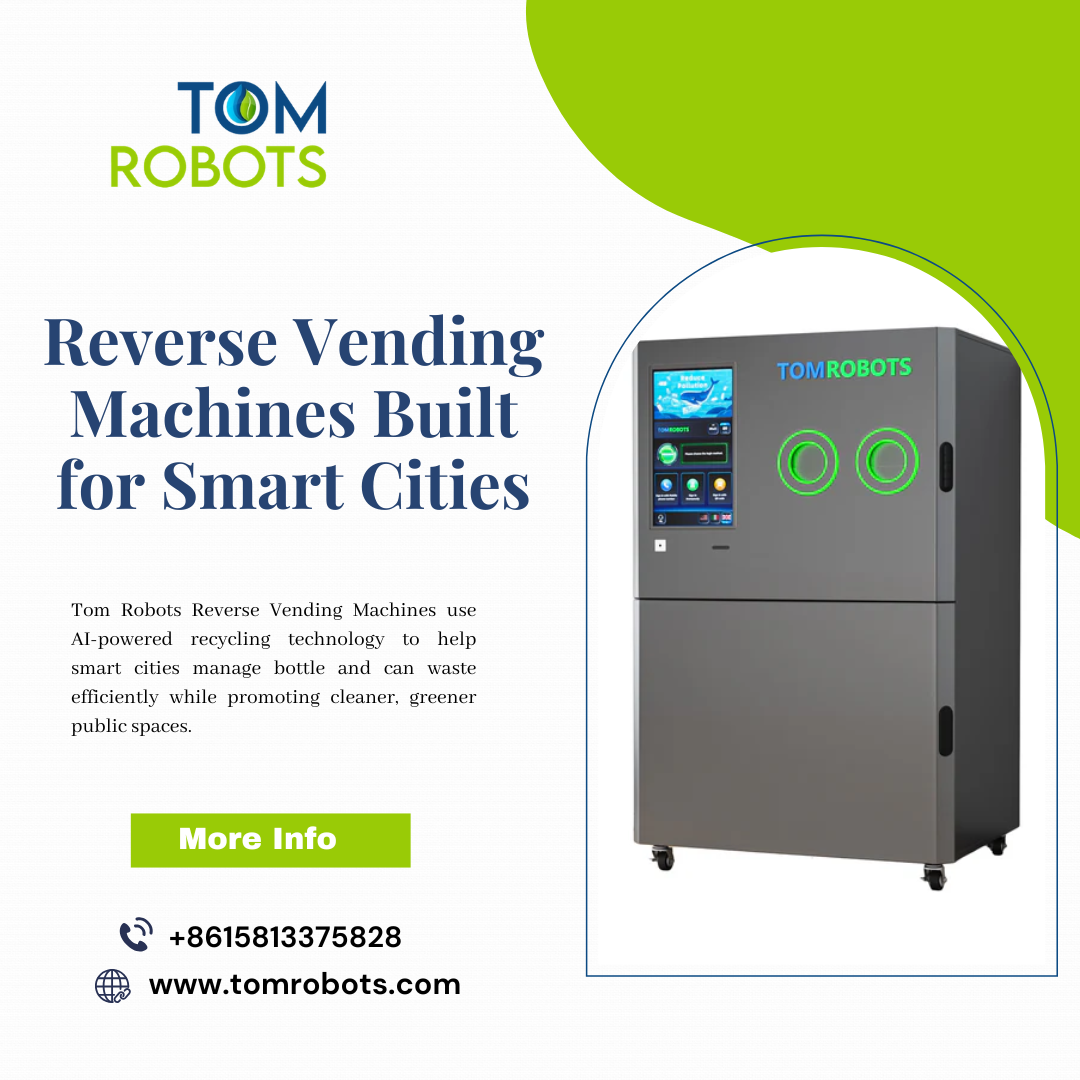
That’s one reason many businesses now invest in a waste recycling machine instead of depending completely on traditional waste disposal.
Not because recycling suddenly became fashionable.
Mostly because unmanaged waste becomes frustrating after a while.
Waste Starts Affecting Daily Operations
People underestimate how much space waste actually takes.
Loose cardboard alone can quietly occupy huge storage areas. Add plastic wrapping, damaged packaging, empty bottles, disposable containers, and suddenly employees start working around clutter all day.
That affects workflow more than companies expect.
Workers waste time moving things around. Storage areas become harder to organize. Delivery zones feel crowded. Even simple tasks start taking longer because waste keeps getting in the way.
A good recycling setup changes that pretty quickly.
A recycle collection machine helps separate and reduce recyclable material before it spreads everywhere. Cardboard gets compacted properly. Bottles stay contained. Packaging waste becomes easier to handle instead of turning into random piles around the workplace.
And cleaner spaces genuinely feel easier to work in.
Waste Collection Bills Quietly Keep Increasing
Most businesses don’t notice how much money goes into waste removal until the bills start becoming annoying.
At first, extra pickups may not seem like a big deal. But over months, collection charges, transportation costs, landfill fees, and disposal expenses add up surprisingly fast.
Especially for businesses producing waste daily.
Restaurants deal with bottles and packaging constantly. Retail stores unpack products all day long. Warehouses throw away mountains of cardboard every week.
Without proper sorting systems, most recyclable material ends up mixed together with regular trash.
That increases disposal volume, which increases costs too.
A waste recycling machine helps reduce that pressure because recyclable material gets processed separately instead of becoming part of general waste immediately.
And honestly, businesses often notice the difference faster than expected once waste volume starts shrinking.
Cleaner Businesses Usually Leave Better Impressions
Customers notice more than companies think.
Even when people don’t directly comment about waste management, they naturally observe cleanliness. Overflowing bins, messy storage corners, or cluttered entrances quietly affect how professional a business feels overall.
A clean environment simply feels more organized.
That’s why many supermarkets and malls now place a bottle return machine near entrances or parking areas. It keeps recyclable waste under control while also showing customers the business is making some effort toward better waste handling.
And small visible changes like that matter more now.
People pay attention to sustainability more than they did a few years ago.
Not everyone expects businesses to become fully eco-friendly overnight, but customers do appreciate companies that at least appear responsible instead of careless.
Employees Usually Appreciate Better Waste Systems Too
Nobody enjoys working around garbage all day.
That sounds obvious, but many workplaces ignore how frustrating poor waste handling becomes for staff members over time.
Loose cardboard everywhere. Full trash bins halfway through the day. Packaging material blocking storage areas.
It creates unnecessary irritation during already busy shifts.
Employees often end up spending time managing clutter instead of focusing on actual work.
A recycling system helps reduce that chaos.
And honestly, workplaces feel less stressful when waste stops becoming a constant daily problem.
Especially in industries where operations already move quickly.
Bottle Return Machines Also Improve Customer Participation
One interesting thing about a bottle return machine is that customers actually use it willingly.
People like convenience.
If recycling feels easy, customers usually participate more without much encouragement. That’s why bottle return systems became common in shopping centers and supermarkets recently.
Some machines even offer reward points or discount coupons after returning bottles.
It’s a small thing, but customers generally respond positively to it because it feels interactive instead of forced.
And businesses benefit too because recycling becomes visible rather than hidden behind back-end operations.
Recycling Helps Businesses Prepare for Future Regulations
Another thing companies are starting to realize is that waste regulations are slowly becoming stricter in many places.
Governments and local authorities are increasingly demanding businesses to take more responsibility for the way they manage commercial garbage.
Companies that plan ahead usually have an easier time down the line.
Waiting until rules are mandatory frequently causes more operational issues since businesses suddenly have to modify systems rapidly.
Starting a recycling machine sooner allows organizations to gradually develop better habits rather than jumping into them later under duress.
Some recyclables are worth something.
“Many companies throw away material that can still be recycled.
Cardboard, metal cans, plastic containers and packaging material can be recycled and sold through our recycling partners instead of being thrown away.
This benefit is especially noticeable over time for large businesses.
While a recycling machine mainly helps with organization and waste reduction, recovering value from recyclable materials can offset part of the operational costs too.
Recycling Systems Usually Save Time Too
One hidden advantage businesses notice later is time savings.
Without proper systems, employees constantly move waste around manually. Boxes need flattening. Bottles overflow. Trash gets reorganized repeatedly throughout the day.
It becomes repetitive work nobody enjoys doing.
A proper waste recycling machine reduces a lot of that unnecessary effort because materials get handled more efficiently from the beginning.
And smoother systems usually make workplaces feel less chaotic overall.
Final Thoughts
Most businesses initially install recycling systems for practical reasons, not environmental speeches.
They want cleaner storage areas. Lower disposal costs. Better organization. Less daily frustration.
But over time, businesses usually realize the benefits go beyond waste management alone.
A good waste recycling machine helps workplaces feel more organized, more professional, and easier to manage daily. Whether it’s a compact bottle return machine inside a supermarket or a larger recycle collection machine handling warehouse waste, the biggest improvement is usually simplicity.
Things just stop feeling messy all the time.
And honestly, once businesses get used to organized recycling systems, going back to unmanaged waste usually feels far more inconvenient than expected